The Stone & Surfaces Show, which takes place from 12–14 May 2026 at ExCeL London, puts the spotlight on innovative applications of stone and surface materials in construction and explores how technology is shaping the sector now and into the future. This year’s programme includes installations that demonstrate how architects, designers, specifiers and developers can use stone in dynamic ways, plus talks and presentations that examine a range of surface materials and the massive potential of AI as we move into a new digital age.
A radical approach to stone
Arch Revival, a striking pair of freestanding, vaulted hyperbolic arches that are 4 meters tall, elegantly crafted from a single layer of stone bricks, will be installed at the show. Designed by architects Hawkins\Brown with engineering expertise from Webb Yates, the two arches have been constructed from sandstone bricks supplied by Hutton Stone and Portland stone bricks from Albion Stone. All these bricks are made from ‘unloved stone’ rejected by architects due to a mix of geological characteristics. Arch Revival champions stone as a low-carbon, load-bearing material, as it has 66% less embodied carbon than the same structure built with clay-fired bricks.
Continuing the theme at the Architects’ Theatre, Toby Pear from architects Article 25 presents Building with Laterite Stone – Low-Carbon, Affordable, Beautiful, showcasing their project Collège Hampaté Bá project in Niger. The classroom blocks are built using locally sourced laterite stone as a beautiful, affordable, low-carbon alternative to the ubiquitous cement blocks.
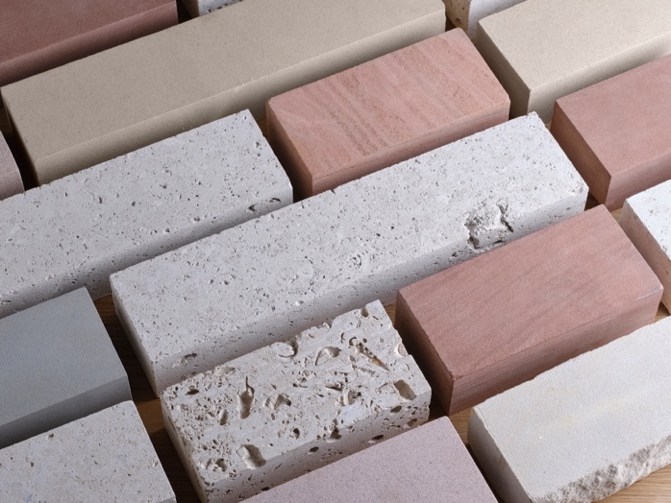
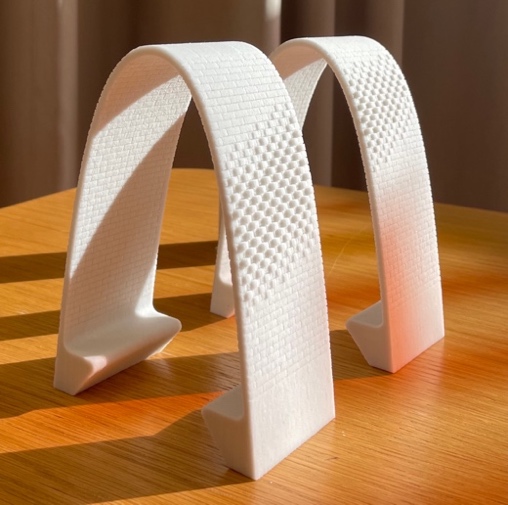
Arch Revival, an installation crafted from stone bricks, showcases stone as a low-carbon, load-bearing construction material
A new approach to materiality
On the Main Stage, architect Levent Ozruh, Robert Greer from Paye Stonework and Restoration, and Salvatore Caruso from Stone Automation discuss Upcycling Stone Through Technology, demonstrating how laser scanners, radars and digital twins support a second life for stone in existing heritage properties ripe for retrofit or reclaim. Levent Ozruh has developed new digital printing technology with Pietro Odaglia at ETH Zurich to create entirely new stone composites from waste, as demonstrated by his installation ANTI-RUIN, which will be on display at the show. A film explaining the making of ANTI-RUIN will be screened at the Surfaces Cinema.
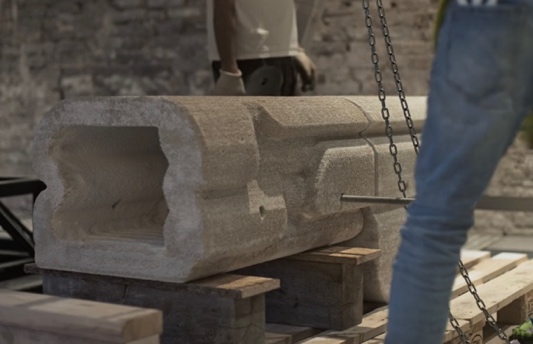
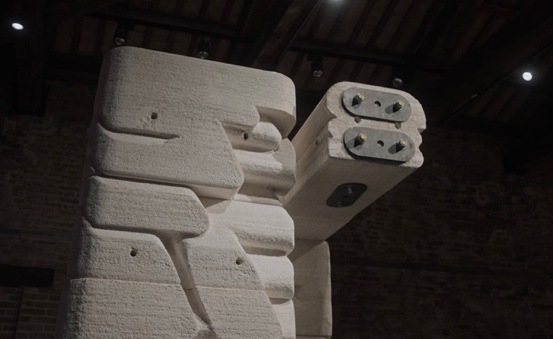
Film on the making of ANTI-RUIN, made by Troy Edige + Beyza Mese, produced by OZRUH, filmed at Lasa Marmo Quarry, Digital Building Technologies, ETH Zurich, Arsenale at the Venice Biennale.
At the talk Building, Unbuilding, and the Carbon Balance at the Architects’ Theatre, Studio Bark explains how its U-Build system supports the construction of modular, biobased and circular workspaces that are easily reconfigured or relocated.
AI and technology
Design journalist Riya Patel leads a panel discussion on the Main Stage entitled AI in A&D – friend or foe? Anna Burles, Creative Director of Run For the Hills and President Elect of the British Institute of Interior Design, Professor Oliver Wilton from the Bartlett School of Architecture and architect and digital creator Agata Murasko explain how Artificial Intelligence is used by some to improve workflows and by others to expand creativity. They also discuss how it could be applied to building with stone, blur the lines of intellectual property, steal creative work, or even make some jobs redundant. Agata Murasko then explains how she integrates AI tools into her creative process at the Architects’ Theatre with her presentation Can AI be a design process ally?
Also at the Architects’ Theatre, Ron Zaum from Structured AI presents AI Compliance Reviews and Custom Agents, using Amin Taha’s Finchley Road Project (which will also be discussed on the Main Stage), as a live case study. Ryan Canning, founder of ARCHITEXTURES explains how he built a comprehensive digital material library for architecture, helping architects and designers access the assets they need for construction drawings in his talk Digital materiality: design and specification.
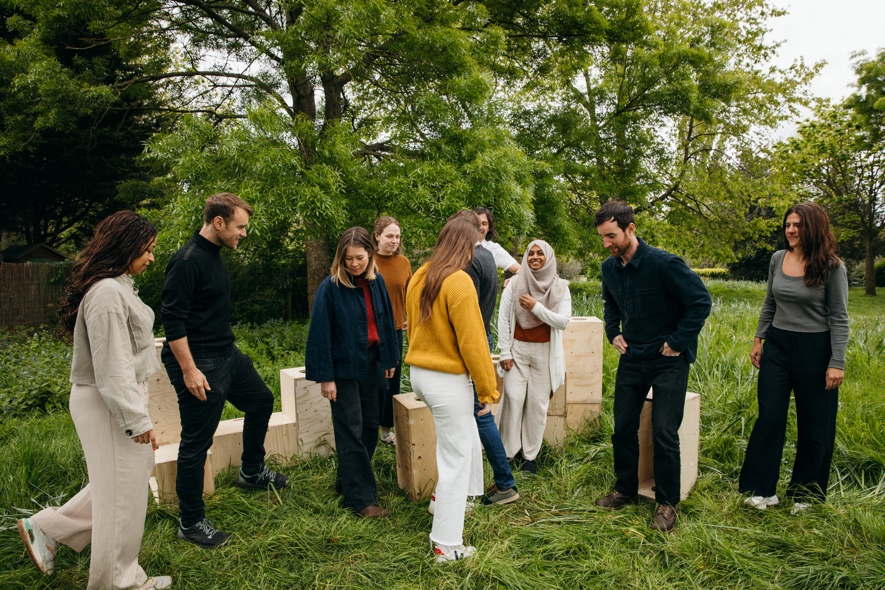
Architects from Studio Bark demonstrate the practice’s U-Build modular, bio-based system.
As AI disrupts many white-collar roles, practical careers should grow in appeal. But attracting more young people into the construction sector – especially women – will require better outreach, modernised perceptions of the industry, clearer progression pathways, and more inclusive workplaces. Panel discussion How can we fix the looming skills gap? examines this massive challenge with Aisha Lysejko, founder of 2040 Leaders, which helps companies onboard and retain young talent, Jamie Coath from architecture practice Purcell which has trained young people on site, and consultant-turned-stonemason Emily Guest.
A Fresh Vision for the Future
“The Stone & Surfaces Show celebrates the innovations and technologies that are driving forward stone and surface materials today and into the future,” said Sam Patel, Divisional Director of the Super Event, which unites Stone & Surfaces, UK Construction Week and FutureBuild. “The installations at the show demonstrate the massive potential of stone as a low-carbon, load-bearing material and showcase how stone waste can be repurposed into entirely new materials thanks to cutting-edge technology. Our forward-looking panel discussions on the Main Stage and presentations at the Architects’ Theatre explore how the range of surface materials is evolving and how AI is shaping the future of the industry, impacting the entire supply chain of our built environment.”
To register for The Stone & Surfaces Show for free, visit https://forms.reg.buzz/ukcw-london-and-stone-show-2026/pr